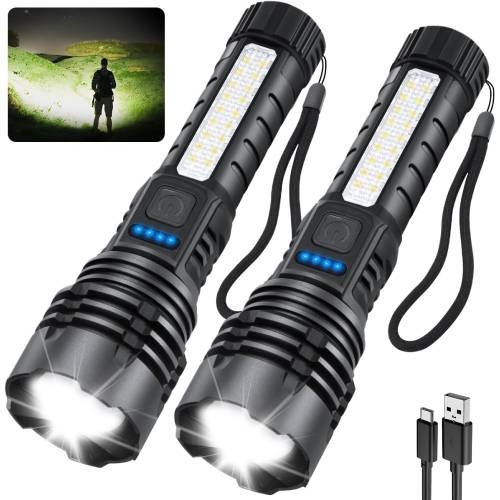
Rechargeable flashlights are brighter, smaller and more convenient than ever. That also means more choice — and more confusing specs. This quick guide breaks down what really matters.
Match the light to the job
1Home and power outagesModerate brightness, long runtime and a simple switch.
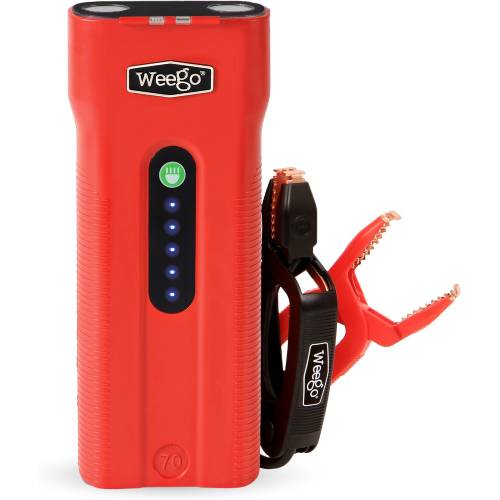
2Car and roadsideA strong beam, compact size and a battery that holds charge for months.
3Camping and outdoorsHigh output, water resistance and a tough body.
Specs, decoded
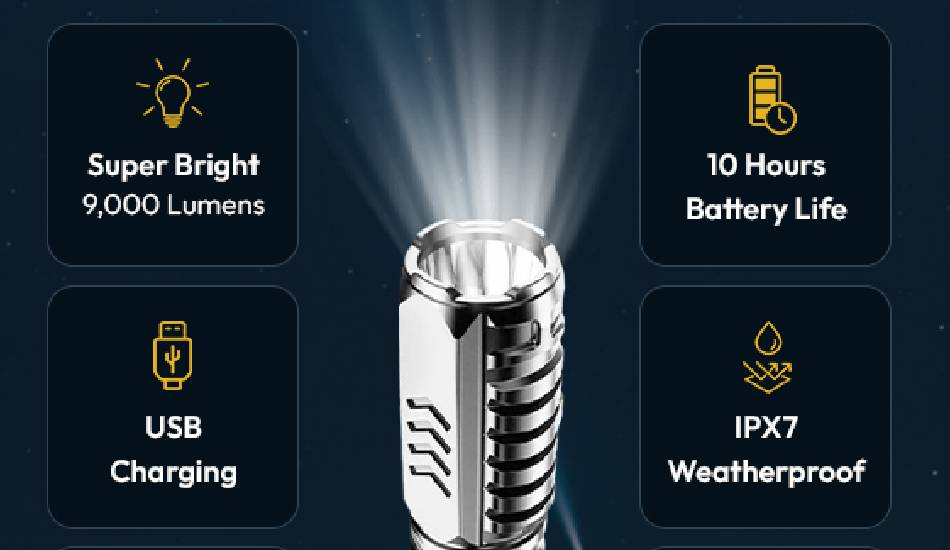
- Lumens: total light output. More lumens means brighter — but top modes drain batteries fastest.
- Runtime: check it for each brightness mode, not just the lowest.
- Charging: USB-C is convenient and widely compatible.
- Water rating: IPX4 handles splashes; higher ratings handle more.
- Build: aluminum bodies tend to handle drops well.
Handy extras
- Zoomable beam (wide flood to narrow spot).
- Battery level indicator.
- SOS or strobe mode for emergencies.
Keep a flashlight in the kitchen, the bedroom and the car — and recharge them every few months so they're always ready.
Always follow the manufacturer's charging instructions and avoid pointing bright lights into anyone's eyes.